When to Stop Drinking Caffeine for Better Sleep: The 6-Hour Rule
Stop drinking caffeine 6 hours before bedtime to avoid sleep disruption. Caffeine's 5-6 hour half-life means afternoon coffee can still affect your sleep quality at night.
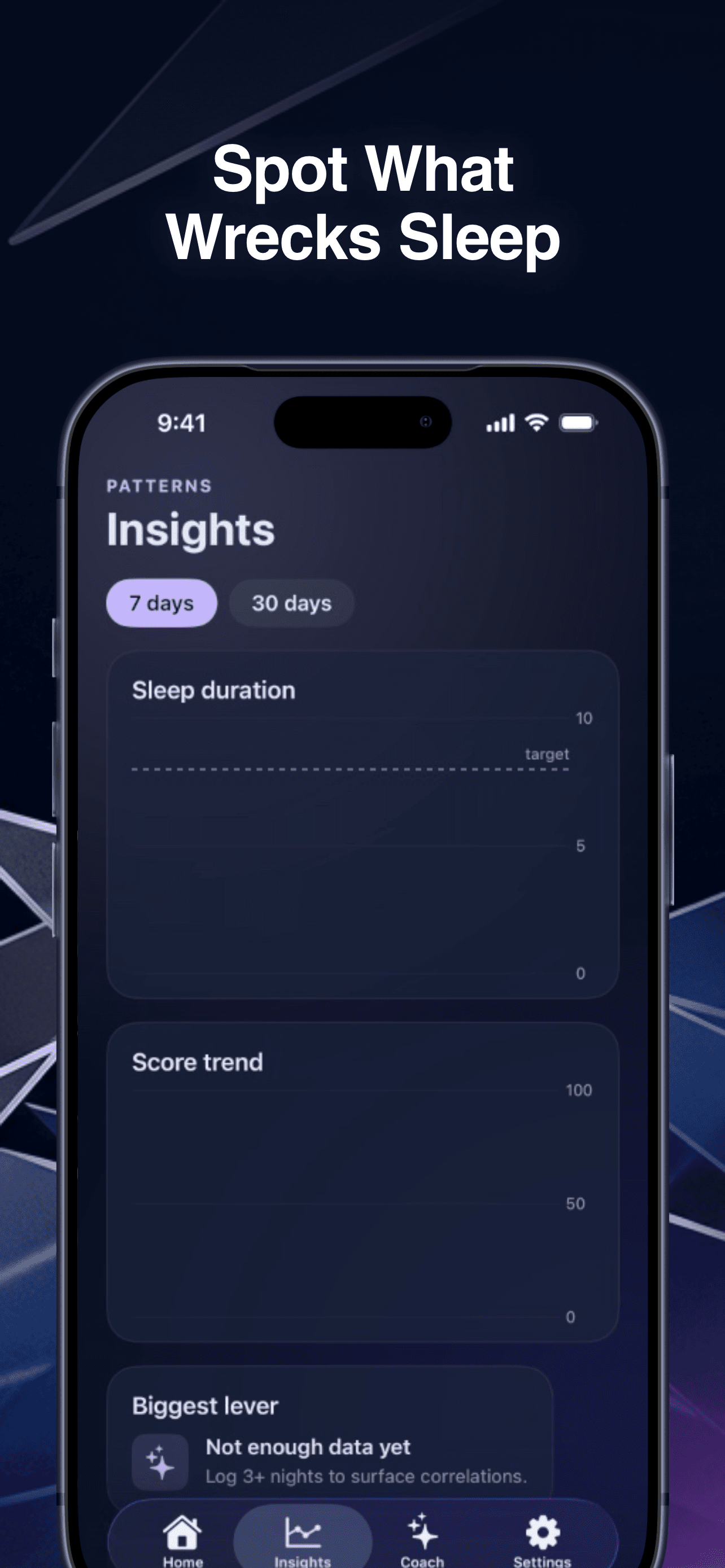
Photo by Sleep Arc.
Your 3 PM coffee might be sabotaging tonight's sleep. Even if you fall asleep normally, that afternoon caffeine is likely reducing your deep sleep and making you feel groggy tomorrow morning.
The answer is simple: stop drinking caffeine 6 hours before your target bedtime. If you aim to sleep at 10 PM, your last cup should be at 4 PM. This timing accounts for caffeine's 5-6 hour half-life, giving your body enough time to clear most of the stimulant before sleep.
How Caffeine Disrupts Your Sleep
Caffeine blocks adenosine receptors in your brain. Adenosine builds up throughout the day and creates sleep pressure—the biological drive to sleep. When caffeine occupies these receptors, you don't feel tired even when your body needs rest.
The problem isn't just falling asleep. Research shows that caffeine consumed even 6 hours before bedtime can reduce total sleep time by more than an hour and significantly decrease sleep efficiency. You might not notice the disruption consciously, but your sleep tracker will.
I learned this the hard way after weeks of wondering why my sleep scores were inconsistent despite keeping the same bedtime. Tracking my caffeine intake alongside my sleep data revealed the pattern: afternoon coffee correlated with fragmented sleep and lower recovery metrics.
The Science Behind the 6-Hour Rule
Caffeine's half-life—the time it takes for your body to eliminate half the caffeine—ranges from 3-7 hours depending on your genetics, age, and liver function. For most adults, it's about 5-6 hours.
Here's what that means practically:
- 200mg caffeine at 2 PM → 100mg still active at 7-8 PM → 50mg at midnight
- 200mg caffeine at 4 PM → 100mg still active at 9-10 PM → 50mg at 2-3 AM
Even 25mg of caffeine (about a quarter cup of coffee) can measurably impact sleep quality in sensitive individuals. The 6-hour rule ensures you're down to negligible levels by bedtime.
How Much Caffeine Are You Actually Consuming?
Most people underestimate their daily caffeine intake. Here are the numbers:
- Brewed coffee (8 oz): 80-100mg
- Espresso shot: 60-75mg
- Black tea (8 oz): 40-50mg
- Green tea (8 oz): 25-35mg
- Dark chocolate (1 oz): 12-15mg
- Energy drinks: 50-300mg (varies widely)
That afternoon "small" coffee might contain 150-200mg of caffeine—equivalent to two regular cups. Factor in morning coffee, tea, and hidden sources like chocolate or pre-workout supplements, and you could be consuming 400-500mg daily without realizing it.
When Different Chronotypes Should Stop Caffeine
Your optimal caffeine cutoff depends on your natural sleep timing:
Early Birds (Sleep 9-10 PM)
- Last caffeine: 3-4 PM
- Morning coffee: 6-8 AM works well
- Afternoon risk: Even 2 PM coffee can interfere
Night Owls (Sleep 11 PM-12 AM)
- Last caffeine: 5-6 PM
- Morning coffee: Can start later (8-9 AM)
- Afternoon allowance: 4 PM coffee might be tolerable
Shift Workers
- Calculate backwards: 6 hours before your target sleep time
- Consider melatonin timing: Caffeine can interfere with melatonin production
- Track individual response: Shift work complicates normal caffeine metabolism
What About Caffeine Tolerance?
Regular coffee drinkers often claim they can drink espresso at 9 PM and sleep fine. This is mostly an illusion. While tolerance reduces caffeine's alerting effects, it doesn't eliminate sleep disruption.
Studies using polysomnography (clinical sleep monitoring) show that even habitual caffeine users experience reduced deep sleep and increased sleep fragmentation when consuming caffeine late in the day. You adapt to feeling tired on disrupted sleep, but the underlying sleep quality remains compromised.
Your sleep tracker will often reveal this hidden impact through metrics like:
- Lower sleep efficiency percentages
- Reduced deep sleep duration
- Higher resting heart rate during sleep
- More frequent wake-ups (even brief ones you don't remember)
Practical Strategies for Better Caffeine Timing
Start with Morning Optimization
Delay your first coffee 90-120 minutes after waking. This allows natural cortisol levels to peak and prevents afternoon crashes that tempt you toward late-day caffeine.
Create a Hard Cutoff
Set a phone alarm for your personal caffeine deadline. Mine goes off at 3 PM with the message "Last coffee." No exceptions, no negotiations.
Replace Afternoon Coffee
When you need an afternoon boost:
- 10-minute walk outside: Natural light exposure increases alertness
- Cold water: Mild dehydration causes fatigue
- Protein snack: Stabilizes blood sugar without caffeine
- Power nap: 10-20 minutes if your schedule allows
Track Your Response
Log caffeine intake alongside sleep metrics for two weeks. Note timing, amount, and source. Most sleep apps don't track caffeine automatically, but you can add it as a custom tag or note.
The Withdrawal Period
Cutting off afternoon caffeine will likely cause temporary fatigue for 3-7 days. This is normal and indicates that the caffeine was masking genuine tiredness. Push through this period—your natural energy levels will stabilize as your sleep quality improves.
Expect headaches, irritability, and afternoon energy crashes initially. These symptoms peak around day 2-3 and resolve within a week for most people.
Beyond Timing: Caffeine Amount Matters Too
Even with perfect timing, excessive caffeine can disrupt sleep. The FDA recommends no more than 400mg daily for healthy adults, but individual tolerance varies significantly.
Signs you're consuming too much:
- Jittery feeling that lasts hours
- Difficulty falling asleep even with good timing
- Anxiety or heart palpitations
- Needing more caffeine to feel normal
Consider reducing total intake if you're consistently above 300mg daily or experiencing these symptoms.
The 6-hour rule is your starting point for better sleep. Stop drinking caffeine 6 hours before bedtime, track the results for two weeks, and adjust based on your individual response. Your sleep tracker will show the improvement within days.
Ready to optimize your caffeine timing? Sleep Arc's nightly log makes it easy to track both your caffeine cutoff and sleep quality, then delivers personalized coaching to help you find your optimal schedule.
Frequently asked questions
- How long before bed should I stop drinking coffee?
- Stop drinking coffee and all caffeine 6 hours before your target bedtime. This accounts for caffeine's 5-6 hour half-life and prevents sleep disruption.
- Can I drink decaf coffee before bed?
- Decaf coffee contains 2-5mg of caffeine per cup, which is generally safe before bed. However, some people are sensitive enough that even decaf can cause mild sleep disruption.
- Does caffeine tolerance mean I can drink coffee later?
- No. While tolerance reduces caffeine's alerting effects, studies show it doesn't eliminate sleep disruption. Even habitual users experience reduced deep sleep with late-day caffeine.
- What if I work night shifts?
- Calculate 6 hours backwards from whenever you plan to sleep. If you sleep at 8 AM after a night shift, stop caffeine by 2 AM. Track your individual response as shift work affects caffeine metabolism.
- How much caffeine is too much per day?
- The FDA recommends no more than 400mg daily for healthy adults. However, if you need caffeine after 2-3 PM to function, you may be consuming too much overall.